Tunnels and pipelines service specifications for fish farms
Subway and trenchless works for fish farms - such as tunnels, seawater intakes, returns and intake pipes - require a design adapted to the geotechnical, hydraulic and environmental conditions of the coastline. The projects are defined by the following technical parameters:
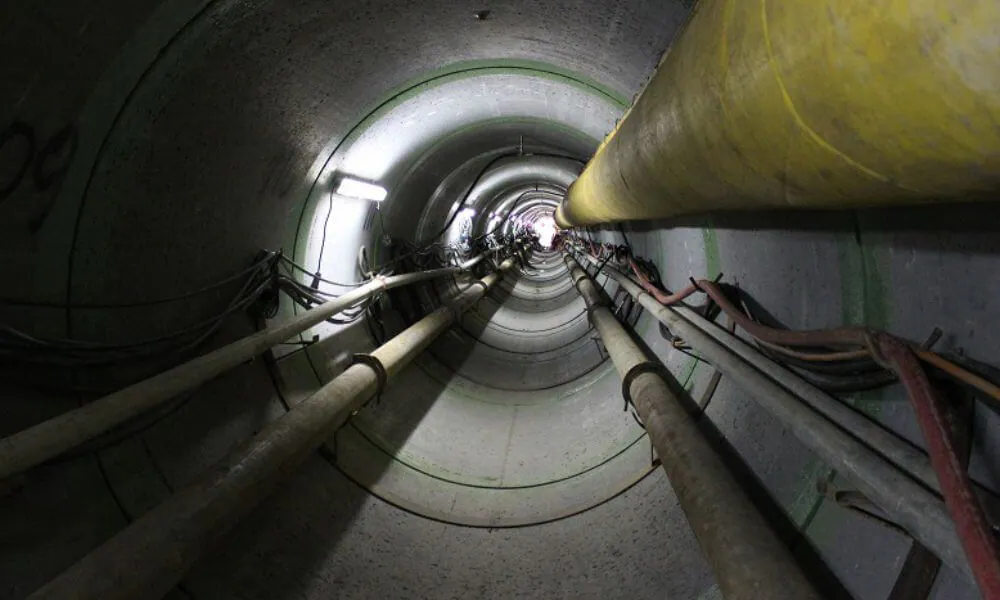
• Main applications: Tunnels for fish farms, seawater pipelines, deep catchments, subway crossings under existing installations, connections between tanks, visitable galleries and works associated with outfalls.
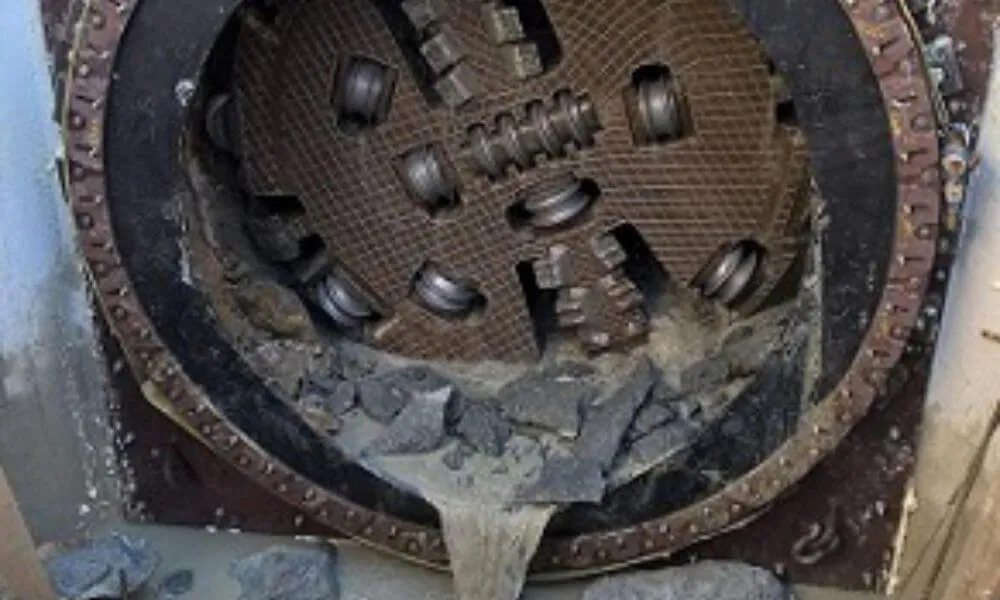
• Construction methods used: Remote-controlled microtunneling, pipe ramming, Direct Pipe® and, in land sections, horizontal directional drilling (HDD). The choice depends on distance to shore, depth, geotechnical and site constraints.
• Terrain and environmental conditions: Coastal soils, alluvial and saturated sands with frequent presence of water table. In areas close to the coast, high water pressures, permeability and soil behavior against pressurized excavation are considered.
• Design diameters and flow rates: Selected according to the needs of the fish farm (supply, recirculation, rejection). The conduits can be non-visitable (pipes) or visitable (galleries or lined tunnels).
• Length of the sections: Short and medium crossings under facilities, irregular terrain and coastlines, as well as pipelines of several hundred meters from land to the maritime catchment or return area.
• Civil works requirements: Attack and reception wells, working platforms, accesses, pipe and equipment storage area, and arrangement of sludge plant or pumping systems according to the chosen method.
• Compatibility with operation and maintenance: Design of tunnels and pipelines to allow inspection, drainage, ventilation and maneuverability. In non-visitable pipelines, access points and cleaning systems are foreseen according to regulations.
• Quality control and alignment: Continuous monitoring of trajectory, face pressure, thrust, excavated volume and hydraulic parameters of the system. Final verification by means of CCTV, watertightness tests and geometric control of the trajectory.
• Environmental and maritime integration: Adjustment of catchment levels, minimization of impact on coastal areas, compatibility with tides and protection against sediment intrusion, complying with hydraulic and environmental regulations.





 Español
  English
  Français